
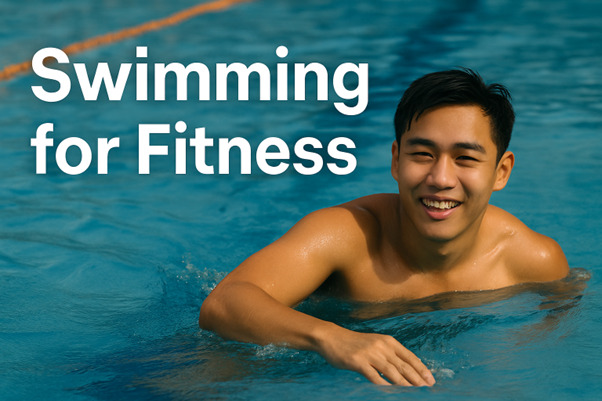
Swimming for Fitness: Burn Calories, Build Stamina, Stay Healthy
Swimming is one of the most effective and enjoyable ways to get fit, stay active, and maintain a healthy lifestyle.
It offers a full-body workout, is low-impact on your joints, and delivers excellent results for both beginners and experienced athletes.
In this article, I’ll walk you through the key benefits of swimming for fitness, how it helps you burn calories, build endurance, and stay in top shape – all from the perspective of an experienced swim coach.
Why Swimming Is the Perfect Fitness Tool
Swimming isn’t just a sport – it’s a comprehensive exercise routine.
When you swim, you move against water resistance, which forces your muscles to work harder without the strain of impact.
This makes it suitable for almost everyone, from young kids to seniors, including people recovering from injury or managing chronic conditions like arthritis or asthma.
The water supports your body, reducing stress on joints and bones while allowing a high level of movement and flexibility.
Unlike land-based workouts, swimming provides constant resistance with every motion, which strengthens muscles while keeping the activity low-impact.
And because swimming involves continuous motion and breathing coordination, it naturally enhances cardiovascular and respiratory health.
Burn Calories Without the Burnout
When it comes to calorie burning, swimming competes head-to-head with running, but without the heavy toll on your knees and ankles.
For example, a person weighing around 70 kg can burn approximately 400–500 calories during a 30-minute moderate-paced freestyle session.
Push harder with a stroke like butterfly, and you could easily burn over 700 calories in half an hour.
Each stroke has a different intensity and energy demand. Freestyle and breaststroke are great for building aerobic base and moderate calorie burn.
Butterfly and backstroke push your body harder and are ideal for high-intensity conditioning and fat loss.
Because the water cools your body during exercise, you’re less likely to overheat or become fatigued quickly, which allows longer workout durations.
This makes swimming an efficient, sustainable method for weight management and fat loss – without the risk of overuse injuries common in running or weight training.
Build Endurance and Stamina That Lasts
Swimming increases your cardiovascular endurance by raising your heart rate and keeping it elevated over a sustained period.
The continuous motion strengthens your heart, lowers resting heart rate over time, and improves how efficiently your body uses oxygen.
What makes swimming unique is that it trains both the aerobic and anaerobic systems.
When you swim laps, your heart, lungs, and muscles adapt to working efficiently for longer periods, resulting in better stamina both in the pool and in daily life.
Even better – recovery is quicker compared to high-impact cardio, allowing you to train more consistently.
Strengthen and Tone Your Entire Body
Unlike most exercises that focus on isolated muscle groups, swimming engages almost every muscle in your body at the same time.
Your arms, shoulders, back, chest, core, and legs all contribute to every stroke you take.
This not only builds balanced muscle tone but also improves joint flexibility and range of motion.
In fact, elite swimmers often have well-defined, lean physiques because swimming provides resistance similar to weight training, without loading the joints.
Each kick and pull in the water acts like a repetition with light resistance – building strength, endurance, and muscle tone simultaneously.
Over time, your posture improves, and your overall functional strength increases.
Boost Your Mental and Emotional Well-being
Swimming is as much a workout for your mind as it is for your body.
The rhythmic nature of stroke and breathing, combined with the sensory isolation of being in water, creates a calming effect.
This has been shown to reduce stress levels, anxiety, and even symptoms of mild depression.
Swimming releases endorphins, the body’s natural feel-good hormones, which help improve your mood and promote mental clarity.
It also increases blood flow to the brain, delivering oxygen and nutrients that support better memory and focus.
For many of my students, swimming becomes a personal escape – a place to recharge mentally while staying physically active.
Improve Lung Capacity and Breathing Control
Swimming challenges your breathing patterns in a way few other sports do.
Because you have to hold your breath between strokes, your lungs adapt to work more efficiently.
This leads to an increase in lung volume and better control over oxygen intake.
Over time, your body becomes more tolerant to carbon dioxide, which improves breath control during physical activity.
This is especially beneficial for individuals with asthma or reduced respiratory function, as swimming promotes deep, controlled breathing in a humid environment.
These respiratory adaptations also enhance performance in other sports and daily tasks that require endurance.
Getting Started: A Coach’s Advice
If you’re new to swimming or returning after a long break, start with 2–3 sessions per week.
Keep each session around 20 to 30 minutes, and focus on maintaining a steady rhythm rather than speed.
Alternate between strokes to engage different muscle groups and avoid fatigue.
It’s important to warm up, stretch, and gradually build up your pace.
If possible, work with a certified coach to refine your technique – good form maximises efficiency and prevents injuries.
Swimming should feel smooth and relaxed. Don’t rush your progress – stamina and strength will come with consistency.
Conclusion
Swimming is one of the most complete and rewarding ways to get fit.
It offers you the opportunity to burn calories, strengthen your heart, tone muscles, and refresh your mind – all in one workout.
Whether you’re aiming to improve your stamina, lose weight, or just feel better overall, swimming can help you reach your goals in a sustainable, low-impact way.
So grab your goggles, jump in, and make swimming a part of your fitness journey.
FAQs
- How many times a week should I swim to see results?
Aim for at least 2 to 3 times a week. Consistency is more important than intensity, especially when you’re starting out. You can increase duration and frequency as your fitness improves. - Is swimming enough for a complete fitness routine?
Yes, swimming provides both aerobic and resistance training benefits. It improves cardiovascular health, muscle tone, flexibility, and mental wellness – all in one session. - Can I lose weight by swimming alone?
Absolutely. Swimming burns a significant number of calories and builds lean muscle mass. Combined with a balanced diet, it’s a highly effective tool for weight loss and maintenance.